Six Content Programs.
Each Ardalin program is a structured sequence of research-referenced articles covering a discrete dimension of men's daily wellness. Programs are updated quarterly as the published research base evolves.
Morning Routine and Weekly Reset Framework
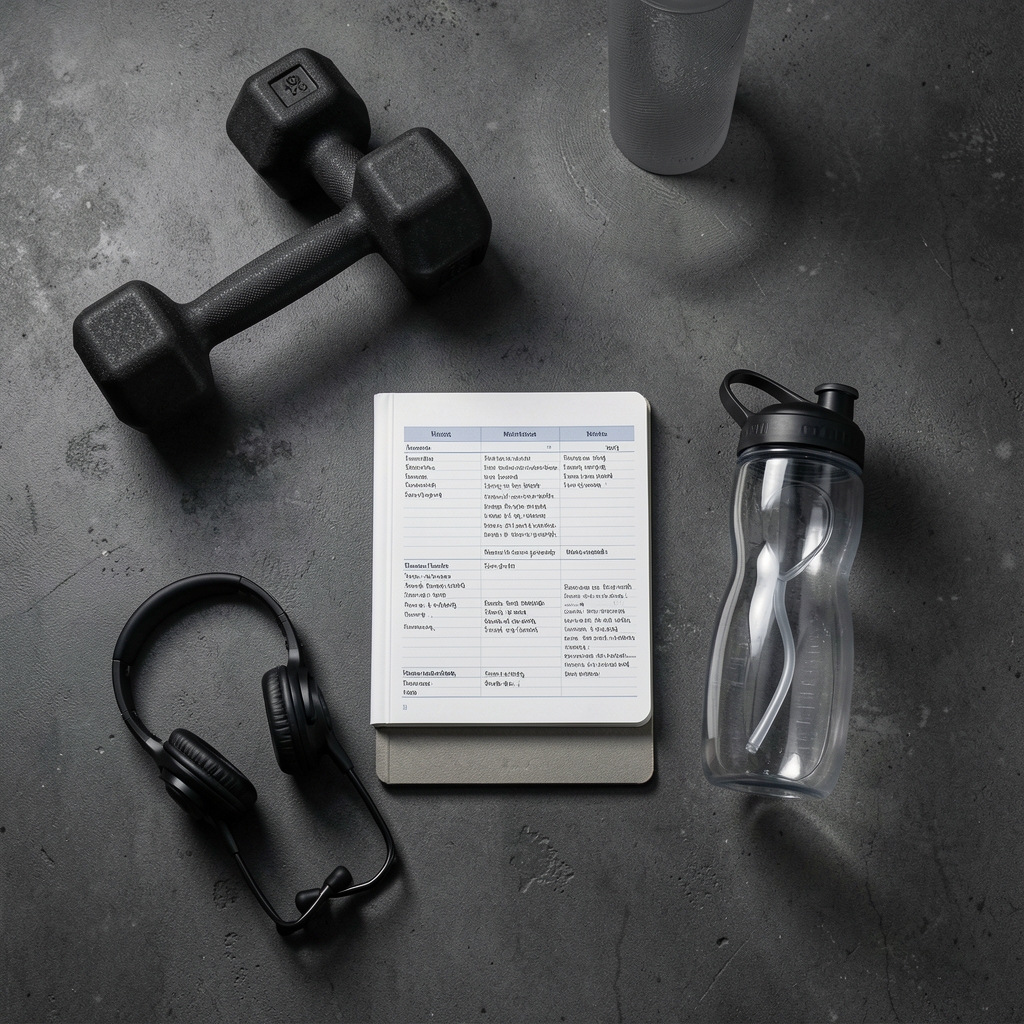
The Daily Habit Architecture program documents evidence-informed approaches to structuring the morning benchmark sequence, calibrating work-life rhythm, and implementing consistent weekly reset routines. Content references published behavioural science research on habit formation, circadian biology, and structured self-regulation in adult males.
Articles within this program address: morning cortisol rhythm interaction with early-day activity; light exposure timing as a circadian calibration variable; the distinction between rigid scheduling and flexible-consistent habit frameworks; and progress tracking methods with documented validity in behavioural adherence research.


Functional Movement and Body Composition Tracking
The Strength and Conditioning program covers functional movement protocols, endurance baseline documentation, and body composition assessment methods grounded in published exercise physiology. The program does not dictate individualised training plans — it documents what the research record shows about movement patterning, loading parameters, and recovery windows.
Featured topics include: compound movement biomechanics across barbell, kettlebell, and bodyweight contexts; body composition assessment accuracy comparison across DEXA, skinfold, and bioelectrical impedance methods; weekend outdoor fitness adaptations for tropical humidity environments; and progressive overload calibration.
Whole-Food Sourcing and Portion Calibration
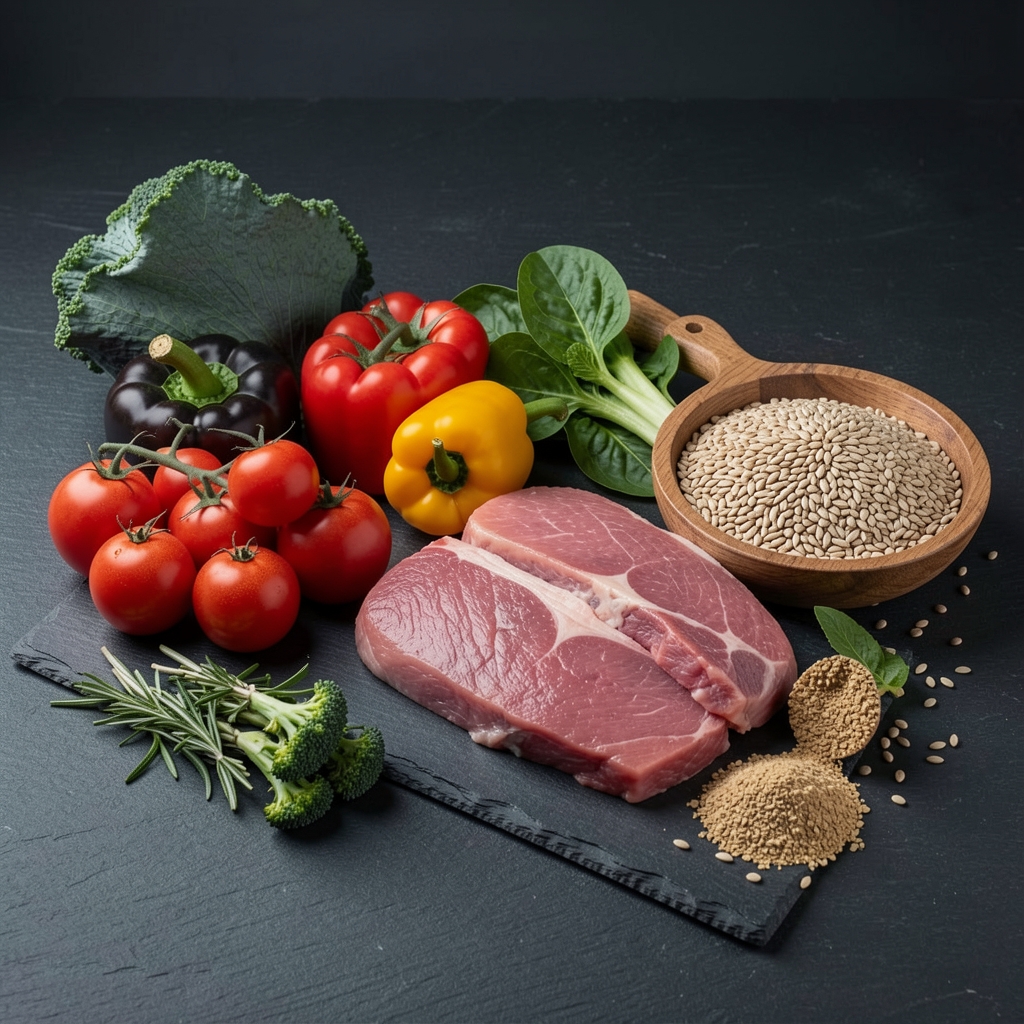
The Lean Nutrition program documents whole-food sourcing approaches, portion awareness frameworks, balanced plate composition principles, and hydration index standards — all referenced against current published nutritional science. The program applies particular attention to tropical food availability and Indonesian dietary context.
Coverage includes: macronutrient ratio documentation for active men in non-temperature-controlled environments; local food source analysis against published nutritional composition databases; meal structure timing research and its interaction with active recovery; and mindful eating frameworks with documented outcomes in energy regulation research.

Sleep Architecture and Active Recovery Scheduling
The Recovery and Sleep program documents the structural components of quality sleep, active recovery protocol design, and stress management approaches as they appear in peer-reviewed research. The content navigates the interaction between physical exertion, cognitive load, and sleep staging to support readers in designing effective recovery windows.
Documented areas include: slow-wave and REM architecture variability under different pre-sleep behavioural conditions; active recovery scheduling relative to high-load training sessions; cognitive stress markers and their interaction with sleep quality indicators; and hydration status as a recovery variable in tropical-climate active populations.
Personal Care Essentials and Skincare Basics
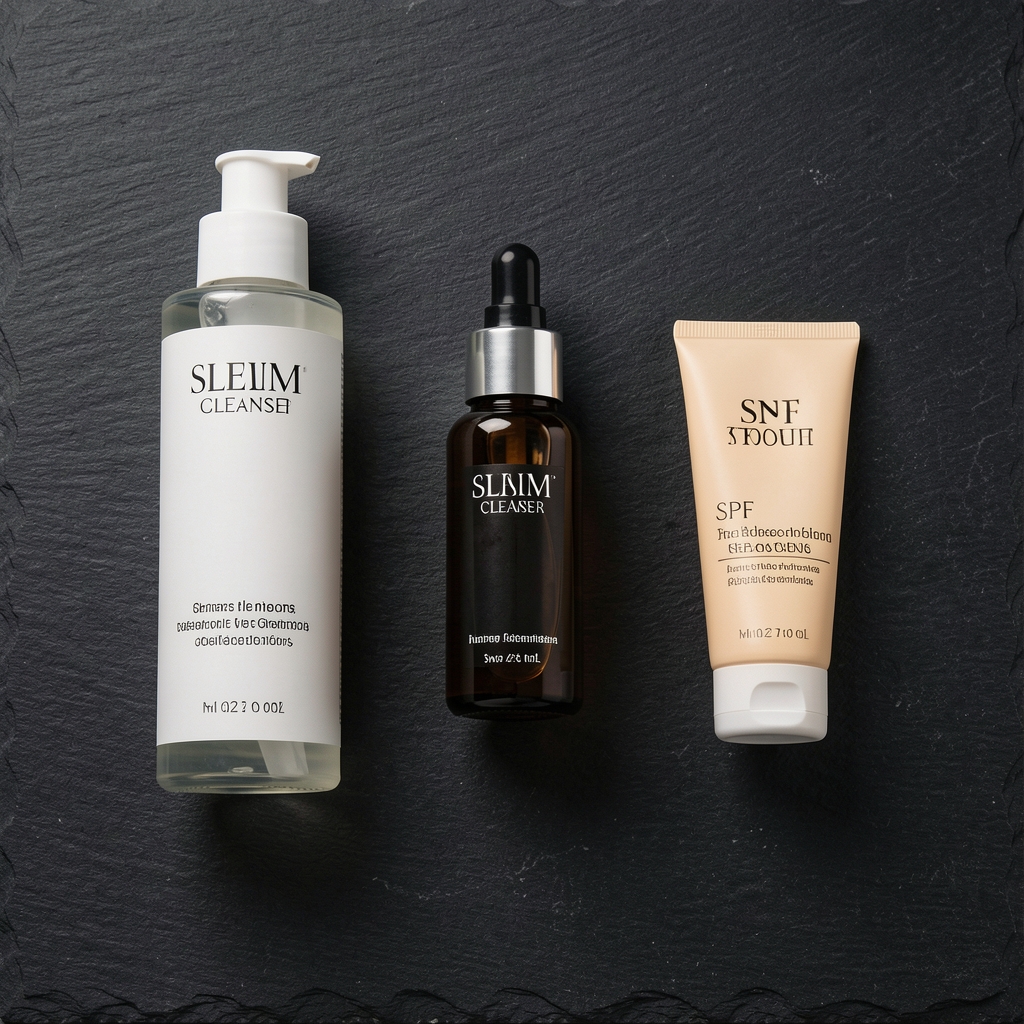
The Grooming and Self-Care program documents grooming protocol development, personal care ingredient analysis, skincare basics, and wardrobe planning approaches for practical everyday application. Content references dermatological research where applicable, and addresses the specific conditions of tropical-humidity skin management.
Coverage includes: SPF and UV protection standards relevant to equatorial sun exposure; skin barrier support through non-reactive grooming ingredient selection; seasonal style transitions within a year-round warm climate; and the practical organisation of daily grooming sequences for time-efficiency in professional environments.

Energy Calibration and Cognitive Performance
The Mindful Eating and Focus program addresses energy and focus calibration through structured meal timing, mindful eating practice documentation, and cognitive performance strategies supported by peer-reviewed research. The program occupies the intersection of nutritional science and behavioural psychology.
Documented topics include: attention regulation and its interaction with pre-meal state; the research literature on structured meal timing and sustained energy availability; portion awareness as a cognitive practice distinct from caloric counting; and lean living principles as an integrative orientation rather than a rigid protocol.
Programs update quarterly. Research does not stand still.
Each of the six Ardalin content programs is reviewed on a quarterly basis against newly published research. Where a previously documented position is refined, contradicted, or significantly extended by new findings, the relevant articles are updated with visible revision notes and a new publication date.
The quarterly review cycle is conducted internally by the editorial team in conjunction with external qualified nutrition and exercise science contributors. This is not an automated content curation process — each article revision involves manual assessment of the new evidence and a considered decision about whether and how the published text should change.
Ardalin is an independent wellness resource focused on everyday nutrition and active lifestyle practices for men. The content is not affiliated with any governmental or institutional body.
Progress Tracking Resources
Downloadable tracking frameworks and measurement documentation templates used by Ardalin contributors for personal progress calibration. Includes body composition log formats, strength baseline sheets, and hydration index trackers.
Research Digest
Monthly summaries of newly published research relevant to the six program areas. Each digest is 800–1200 words and includes a structured assessment of the new findings' applicability to daily practice, with links to the original publication records.
Editorial Correspondence
Readers and qualified professionals may submit research references or factual corrections to the editorial team via the contact page. Verified corrections are acknowledged and addressed in the next available issue revision cycle.
Questions about the programs?
The editorial team is available Monday to Friday to address reader enquiries, correspondence from qualified professionals, and questions about content methodology.